Torres Strait elders show extraordinary climate leadership in court
16th July 2025
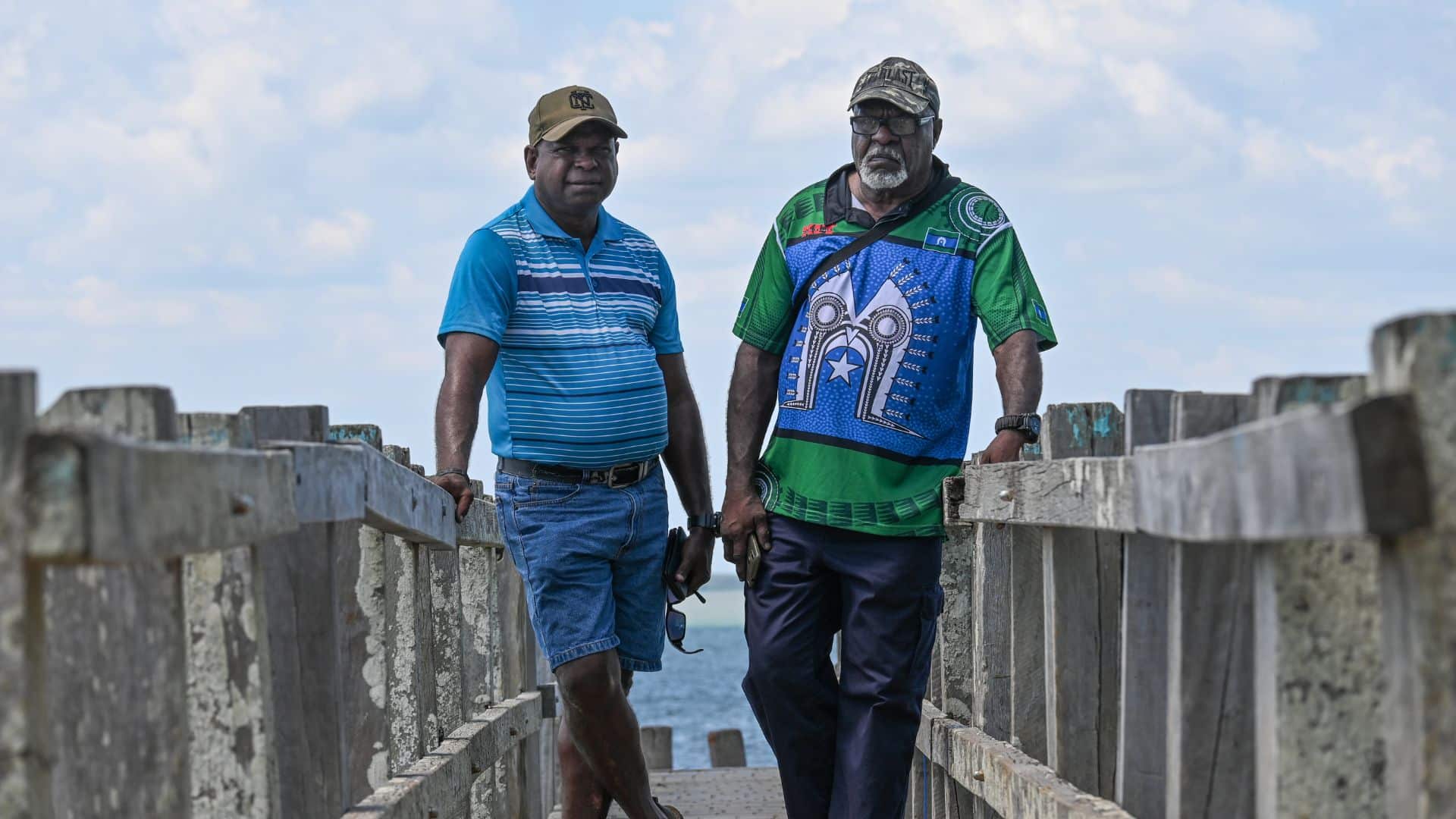
Guda Maluyligal elders Uncle Pabai Pabai and Uncle Paul Kabai, from Boigu and Sabai Islands in the Torres Strait, have built a legacy of climate leadership that will endure for generations.
Supported by Grata Fund and represented by Phi Finney McDonald, the two Torres Strait elders argued in a groundbreaking Federal Court case that the federal government’s failure to act on climate change was putting their homelands and culture at risk.
The Federal Court:
- Acknowledged the devastating and disproportionate impacts of climate change on Torres Strait Islander communities.
- Accepted much of the scientific and personal evidence presented by Uncle Pabai and Uncle Paul, including that the Commonwealth’s past emissions targets did not engage or give real or genuine consideration to the best available climate science.
- Ultimately ruled against the applicants, Uncle Pabai and Uncle Kabai, finding that the government does not owe a legal duty of care under negligence law to protect Torres Strait Islanders from climate harm.
Justice Michael Wigney noted that while the applicants’ claims had merit, the law in Australia, as it currently stands, provides no real or effective legal avenue through which individuals and communities, like those in the Torres Strait Islands, can claim damages for climate harm – highlighting a gap that only appellate courts or Parliament can change.
Unwavering support
Despite the outcome, the Uncles’ bold effort to hold the government accountable marks a defining moment in the fight for climate justice, particularly for First Nations people. Their case forced Australia to reckon with the existential threat facing Torres Strait Islander communities – and built an enduring campaign.
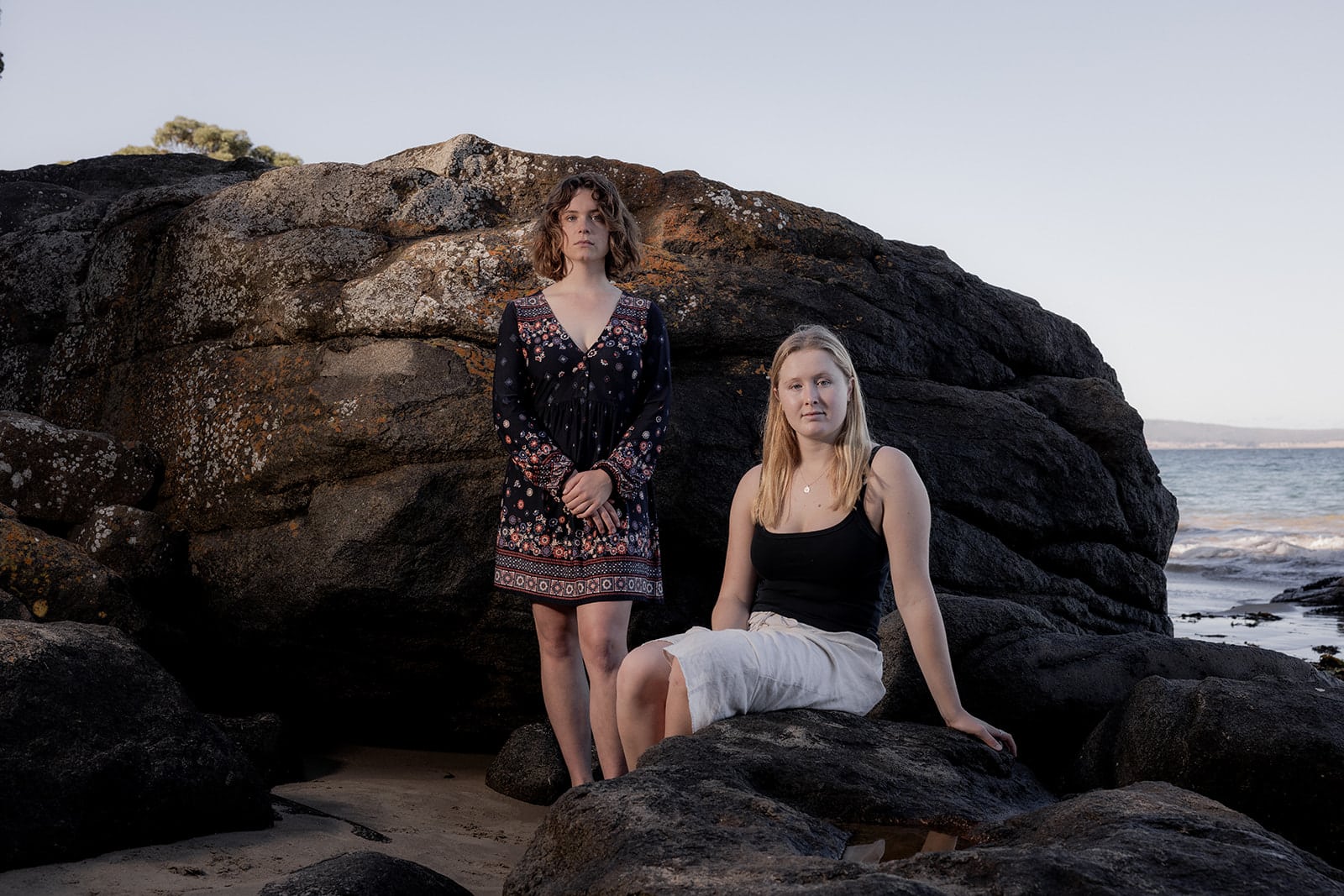
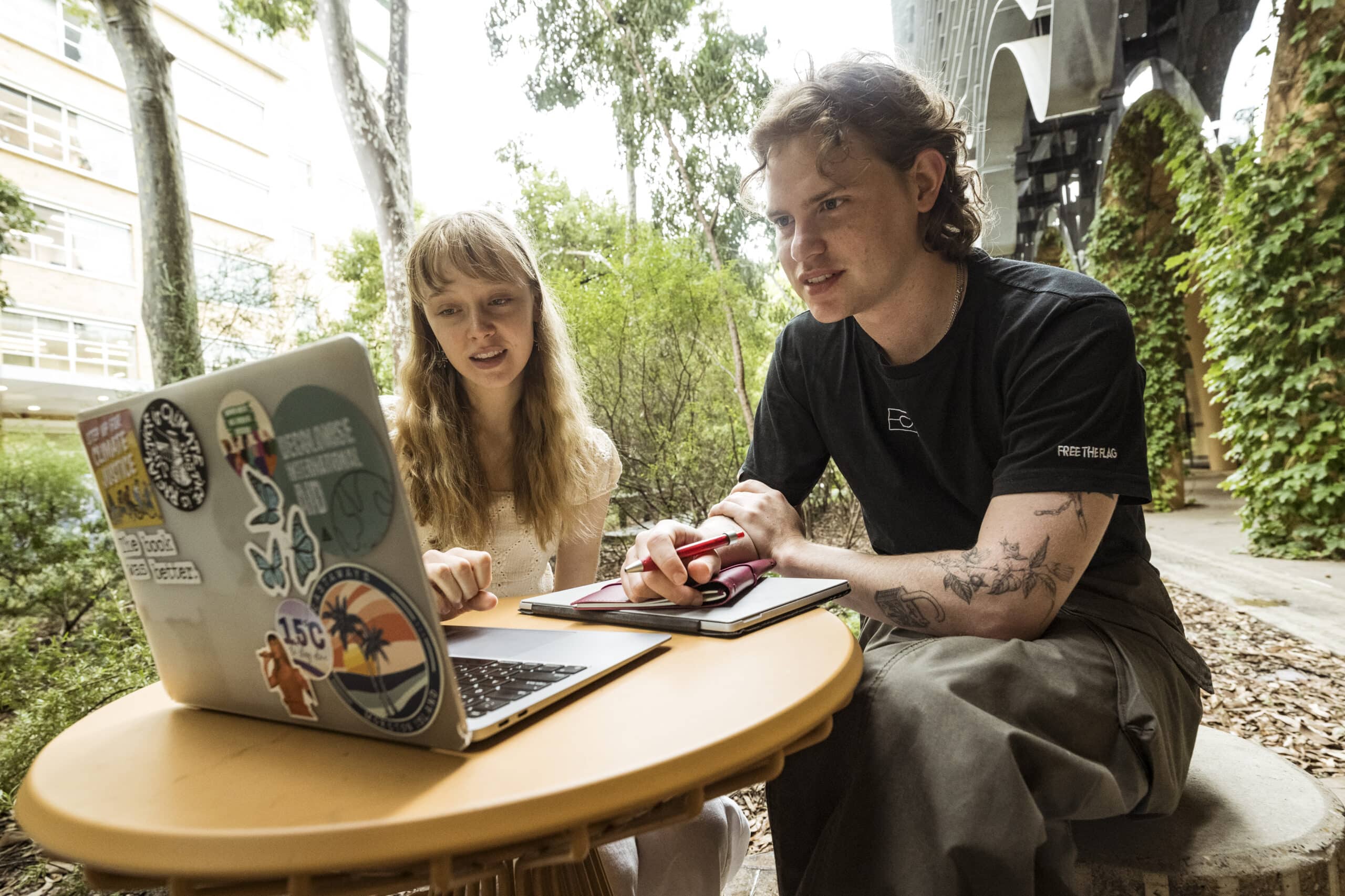
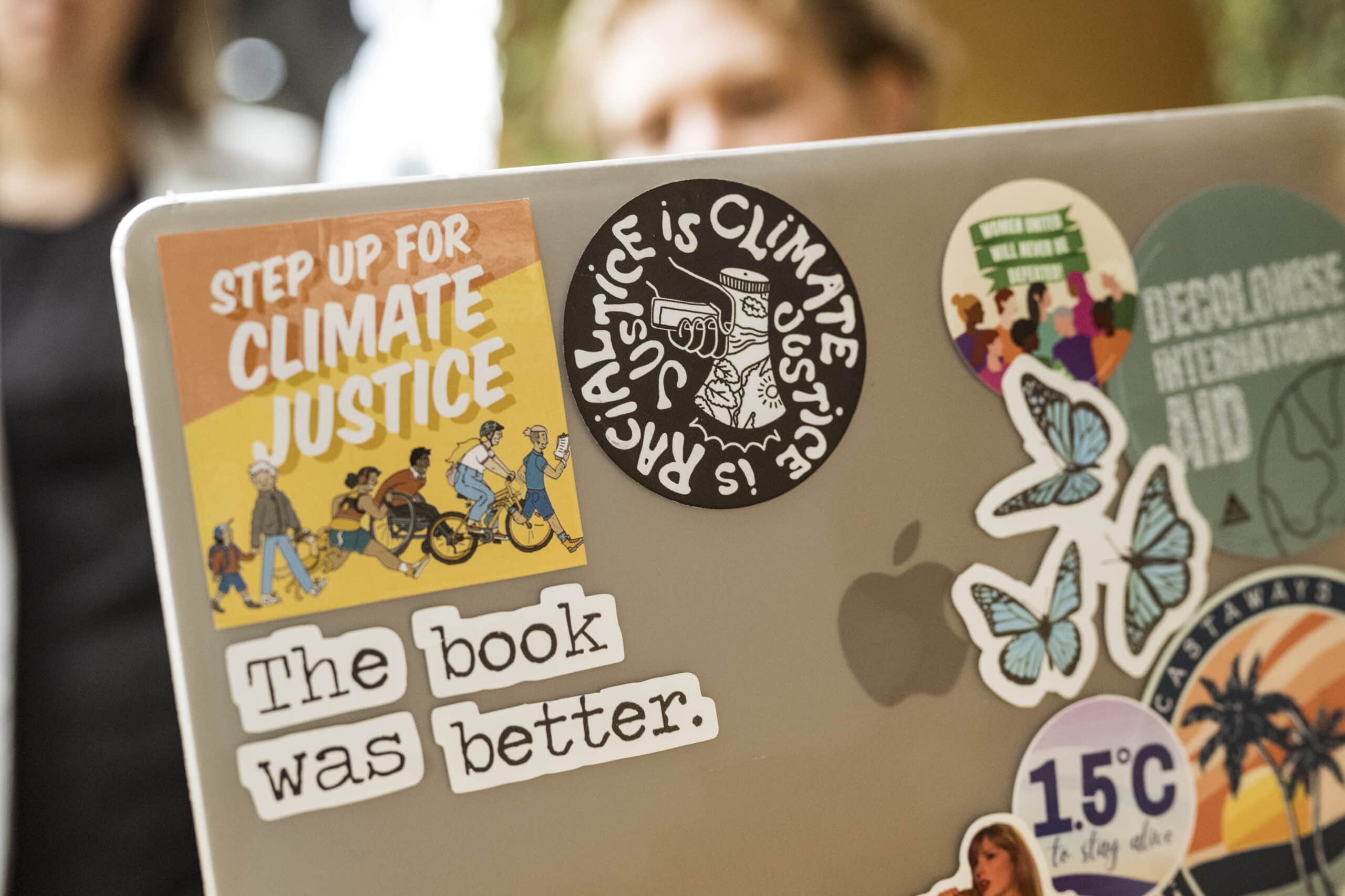
Youth climate group Generation Justice offers its unwavering support to Uncle Pabai Pabai, Uncle Paul Kabai and their Torres Strait communities. Generation Justice is a national campaign led by nine young Australians, and supported by Environmental Justice Australia, that recently filed a human rights complaint about Australia’s response to the climate crisis with the United Nations.
Larrakia man and Generation Justice spokesperson Connor Wright says:
‘This case has already made history. Uncle Pabai and Uncle Paul forced the government to confront the damage it’s doing – in court, in public, and on Country. Their leadership will influence future generations.’
‘The climate crisis is here and it’s endangering First Nations communities, young people, and future generations. We will hold the government to account.’
Wungun and Ghungalu woman and Generation Justice spokesperson Zhanāe Dodd says:
‘The court may have missed this chance, but we will keep pushing, systems have never been in our favour so we’ve never relied on them fully – grassroots is the fire that keeps us going.’
‘I stand with Uncle Paul and Uncle Pabai for taking this all the way. People say it’s brave, but it’s a part of our deep responsibility as custodians for Country and our people.’
‘We’re not asking for special treatment we’re demanding basic rights: the right to live, to stay on our Country, to pass it down to the next generation.’
Environmental Justice Australia senior climate lawyer Hannah White says:
‘Public interest litigation like the Australian Climate Case is vital for a healthy democracy and legal system. It’s often the only way to hold powerful entities like governments to account and seek justice for marginalised groups.’
‘This is a disappointing outcome in circumstances where Uncle Pabai and Uncle Paul, their communities, and their legal team have fought for climate justice with courage and determination for more than five years.’
‘The Court accepted evidence of human induced climate damage to Torres Strait Islander communities. The Court acknowledged the Commonwealth had not properly considered the best available climate science in setting past emission reduction targets — yet the Government faces no consequences for not doing its job properly. The law must evolve to respond to the realities of the climate crisis.’
Background: About the Pabai v Commonwealth Case
Pabai Pabai & Anor v Commonwealth of Australia was a climate change class action launched in 2021 by two Guda Maluyligal men, Uncle Pabai Pabai and Uncle Paul Kabai, from Boigu and Saibai Islands in Zenadth Kes (the Torres Strait).
The case was the first in Australia to seek a court order compelling the federal government to reduce emissions across the whole of government in line with the best available science. Regardless of the outcome, it will set a significant legal and moral precedent for future public-interest climate litigation.
Scientific evidence presented in the case warned that parts of the Torres Strait could become uninhabitable in less than 30 years due to rising seas, extreme weather, and climate-driven erosion. A loss of homeland would mean the severing of millennia of cultural, spiritual and ancestral connection.